

Introduction
Managing multiple projects at the same time is a challenge faced by organisations of all sizes. With limited resources, competing priorities, and constant change, leaders need clear visibility across their entire project landscape to make informed decisions. Relying on spreadsheets or disconnected tools often leads to delays, misalignment, and missed opportunities.
This is where project portfolio management software plays a crucial role. In this article, we explore what project portfolio management (PPM) software is, why it matters, and how it helps organisations align projects with strategy, improve outcomes, and maximise value.
What Is Project Portfolio Management?
Managing Projects as a Portfolio
Project portfolio management is the practice of overseeing multiple projects as a single portfolio rather than in isolation. Instead of focusing solely on delivery, PPM looks at how projects contribute to wider business objectives, ensuring resources are invested where they deliver the greatest impact.
This strategic approach allows organisations to prioritise initiatives, balance risk, and adapt quickly when circumstances change.
The Role of PPM Software
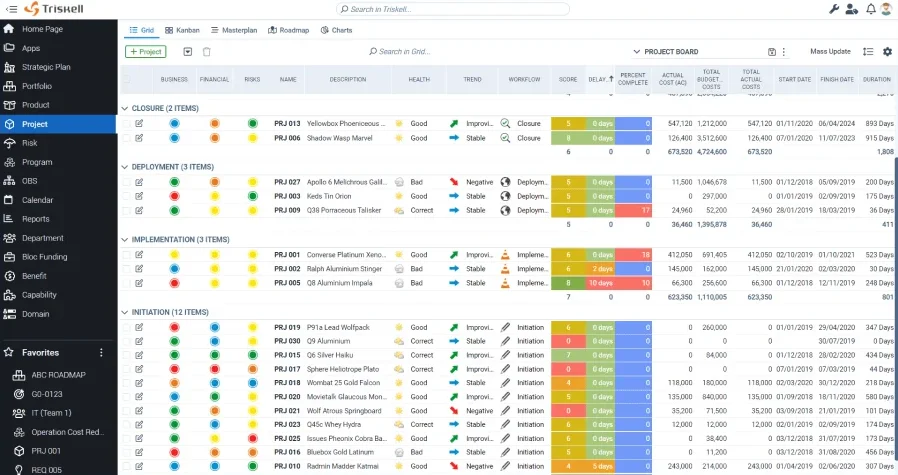
PPM software provides a central platform where leaders can view, analyse, and manage all projects in one place. It transforms complex data into clear insights, enabling better communication, transparency, and decision-making across teams and stakeholders.
Why Organisations Need Project Portfolio Management Software
Improved Visibility and Transparency
One of the biggest challenges in managing multiple projects is a lack of visibility. Without a clear overview, it’s difficult to understand progress, dependencies, or risks. PPM software offers real-time insights into project status, timelines, and performance, helping leaders spot issues early.
Stronger Strategic Alignment
Not all projects deliver equal value. PPM software helps organisations assess whether initiatives align with strategic goals, ensuring time and money are invested in the right areas. This alignment reduces wasted effort and increases the likelihood of achieving long-term objectives.
Using tools such as project portfolio management software enables decision-makers to connect projects directly to strategy, making trade-offs clearer and more data-driven.
Key Benefits of Using Project Portfolio Management Software
Better Prioritisation and Resource Allocation
Resources are always limited. PPM software helps organisations compare projects based on value, risk, and resource requirements, making it easier to prioritise effectively. This ensures teams are not overcommitted and that critical initiatives receive the support they need.
Enhanced Collaboration and Communication
With all project information stored in a shared environment, stakeholders gain a common understanding of priorities and progress. Visual dashboards and interactive views make it easier to communicate complex information clearly, reducing misunderstandings and siloed working.
Proactive Risk Management
By viewing projects collectively, risks that might not be visible at an individual project level become clearer. PPM software allows organisations to identify dependencies, capacity constraints, and potential bottlenecks before they escalate into major issues.
How PPM Software Supports Better Decision-Making
Scenario Planning and What-If Analysis
Modern PPM tools allow leaders to explore different scenarios, such as adding new projects or reallocating resources. This “what-if” capability helps organisations understand potential impacts before committing to decisions, reducing uncertainty and improving confidence.
Data-Driven Insights
Rather than relying on gut instinct, PPM software supports decisions with real data. Trends, performance metrics, and visual analytics provide evidence-based insights that help leaders justify priorities and investments.
Who Benefits Most from Project Portfolio Management Software?
Executives and Senior Leaders
Senior leaders benefit from a high-level view of how projects support strategy, enabling them to make informed investment and prioritisation decisions.
Project and Programme Managers
For project professionals, PPM software reduces administrative burden and improves coordination across initiatives, helping them focus on delivery rather than reporting.
Organisations in Complex or Fast-Changing Environments
Businesses operating in sectors such as technology, engineering, healthcare, or finance—where change is constant—benefit significantly from the flexibility and visibility PPM software provides.
Best Practices for Implementing PPM Software
Start with Clear Objectives
Before implementing any tool, organisations should define what success looks like. Whether the goal is better prioritisation, improved reporting, or stronger alignment, clarity ensures the software is used effectively.
Focus on Adoption, Not Just Technology
The value of PPM software depends on how well it’s adopted. Providing training, involving stakeholders early, and embedding the tool into decision-making processes are key to long-term success.
Keep It Visual and Accessible
PPM software is most effective when information is easy to understand. Visual roadmaps, dashboards, and summaries help stakeholders engage with data and make quicker, better decisions.
Frequently Asked Questions
How is project portfolio management different from project management?
Project management focuses on delivering individual projects, while portfolio management looks at how multiple projects collectively support strategic goals.
Is PPM software only suitable for large organisations?
No. While large organisations benefit greatly, smaller businesses with multiple initiatives can also gain clarity and efficiency from PPM software.
Can PPM software replace existing project tools?
In many cases, PPM software complements rather than replaces project management tools by providing a strategic, portfolio-level view.
How long does it take to see benefits from PPM software?
Some benefits, such as improved visibility, can be seen quickly. Strategic benefits typically grow over time as decision-making becomes more data-driven.
Does PPM software help with change management?
Yes. By visualising dependencies and impacts, PPM software supports better planning and communication during periods of change.
Conclusion
In an environment where organisations must do more with less, managing projects in isolation is no longer enough. Project portfolio management software provides the clarity, structure, and insight needed to align initiatives with strategy and make smarter decisions.
By improving visibility, prioritisation, and collaboration, PPM software empowers leaders to focus on what truly matters—delivering value, managing risk, and driving sustainable success across the entire organisation.